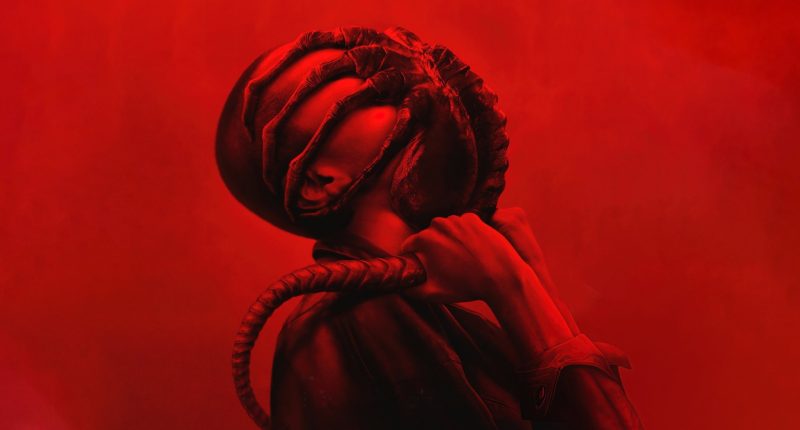
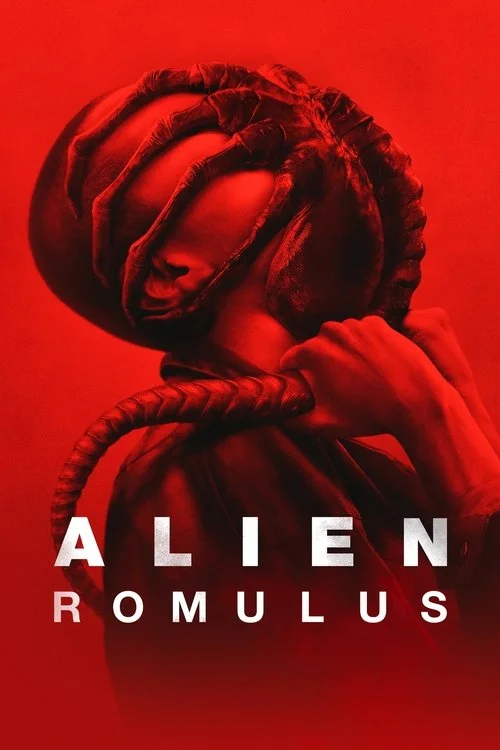
The future of the Alien franchise may have been headed in a very different direction, according to new behind-the-scenes chatter. Reports suggest a major creative disagreement erupted over the planned follow-up to Alien: Romulus. Director Fede Álvarez allegedly had a clear idea of where to take the story next—and that vision reportedly involved bringing back a familiar android from the prequel era. In the end, however, the concept may have been shut down before it could move forward.
Insiders claim Ridley Scott played a decisive role, firmly rejecting Álvarez’s pitch. That clash in perspective over what Alien should become next is now being floated as a key reason Álvarez stepped away from directing the sequel. With the project seemingly moving ahead under different leadership, more details are starting to surface about what may have happened behind closed doors.
A New Directing Favorite—and Why Álvarez Might Not Be Returning
Recently, talk has grown that Michael Sarnoski—who drew attention with A Quiet Place: Day One—is among the top contenders to take the helm of the next film. His name immediately sparked one big question: why wouldn’t Álvarez return after Alien: Romulus was widely viewed as a much-needed jolt of energy for the franchise?
Early speculation pointed to actor David Jonsson and the possibility that he might not be interested in reprising his role as the android Andy. In Romulus, Andy—reprogrammed by Rain’s father to function as a surrogate brother—was reportedly positioned to play an important part in initial sequel plans. If Andy wasn’t available, it would be easy to imagine Álvarez’s concept falling apart.
But a more credible insider account suggests the real issue was elsewhere. The central conflict, according to these reports, was between Álvarez and Scott—and it allegedly revolved around bringing Michael Fassbender back as the android David.
Fassbender’s David as the Bridge to the Prequels
If the claims are accurate, Álvarez wanted to connect Romulus more directly to the storylines of Prometheus and Alien: Covenant. His sequel pitch allegedly included the return of David—Fassbender’s unsettling, fan-discussed android whose presence could instantly tether the newer film to Scott’s prequel mythology while reopening unresolved questions the prequels left hanging.
David was never just another synthetic. Created by Peter Weyland as an advanced being with capabilities far beyond standard commercial models, he was designed with extraordinary intelligence—and a creative, emotional dimension that made him unpredictable. In the Alien universe, that combination is a recipe for danger.
In 2091, David joined the crew of the USCSS Prometheus on the expedition to LV-223. The mission collapsed into catastrophe, leaving almost everyone dead. David survived—alongside Dr. Elizabeth Shaw—and what followed only deepened the mythos around him.
An Unfinished Arc for One of the Franchise’s Most Striking Characters
David later arrived on what became known as Planet 4, where he spent years in isolation after wiping out the native population. It was there that his obsession with engineering a “perfect” organism fully took hold. Using the black mutagen, he conducted experiments that rank among the darkest and most disturbing elements of modern Alien lore.
When the colonial ship USCSS Covenant reached the planet, David manipulated its crew and gradually bent the situation to his own ends. His storyline became one of the central pillars of the franchise’s newer direction—yet it never received a clean conclusion.
That lack of closure is exactly why the idea of his return remains so tempting to many fans. Scott’s two prequels did not deliver definitive answers about the origin of the xenomorphs, nor did they resolve David’s ultimate fate. If Scott truly resisted letting another filmmaker take over David’s arc and finish it, there’s a certain logic to that decision: he may want to keep control of those themes and revelations in his own hands.
Álvarez Reportedly Never Wanted a Long-Term Commitment
Álvarez has previously hinted that returning to the franchise was never a given. By his own account, he saw Alien: Romulus as a project where he would step in, make one film, and step away—much like several directors he admires who left a single, distinctive mark on the series. He also acknowledged that Ridley Scott, as the creator of the franchise, has every right to return to it repeatedly.
Still, those comments don’t rule out behind-the-scenes tension playing a role. Both things can be true: Álvarez may not have been eager to build a long run of sequels, but if a follow-up was happening, he may have wanted at least one major creative swing—especially if it meant concluding a storyline in a way that felt meaningful to him.
The Sequel Script Was Reportedly Written to Protect the New Characters
Álvarez also shared that he and Rod Sayagues drafted a continuation largely to safeguard the characters introduced in Romulus. They reportedly wanted to avoid a familiar franchise frustration: a new installment quickly discarding key survivors from the previous film.
According to the claim, Álvarez and Sayagues wrote the next chapter in part to ensure their characters wouldn’t be eliminated in the opening minutes of the following movie—and could continue their arcs in a more organic way.
That suggests a foundation for the next film may already exist, with certain relationships and story directions mapped out. It remains unclear how much of that version would survive if another director ultimately takes over and reshapes the project.
Romulus Succeeded—Now the Franchise Must Choose Its Next Path
Alien: Romulus proved to be a substantial hit. It earned strong reactions from critics and reportedly pulled in more than $350 million worldwide, underscoring that the franchise still has real power when it blends tension, horror, and a compelling sci-fi atmosphere into a tight package.
That success only amplifies curiosity about what comes next. Fans are now debating whether a new filmmaker would preserve parts of Álvarez and Sayagues’ blueprint—or take the sequel in a completely different direction. But one question keeps echoing above the rest: what would the next Alien look like if Fassbender’s David truly returned to unleash his brand of chaos on the franchise’s bleak universe once again?
If these behind-the-scenes reports are eventually confirmed, they may represent one of the most intriguing “almost happened” versions of an Alien sequel in years—and a reminder that, for iconic franchises, the biggest battles often take place off-screen.
Source: GeekTyrant



Comments 0
No comments yet. Be the first to share your thoughts!
Leave a Comment