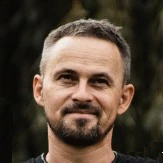
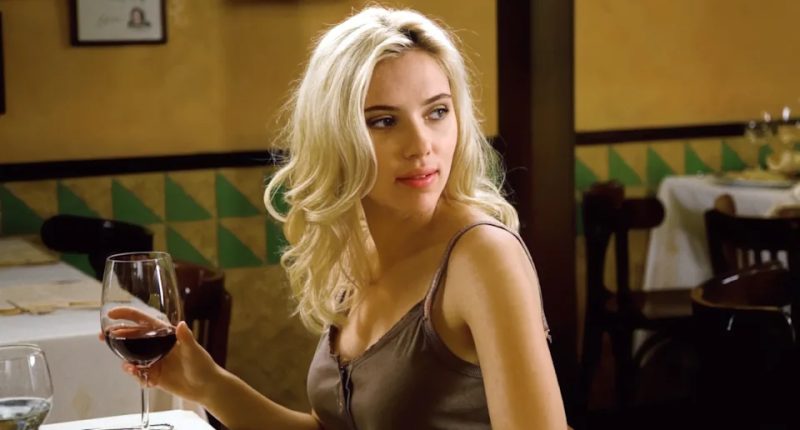
Director and screenwriter Ari Aster is preparing another feature film titled Scapegoat. According to currently available information, he wrote the screenplay himself and will also direct. The biggest buzz, however, comes from the lead casting: Scarlett Johansson is expected to headline the project. It’s a high-profile pairing—an unmistakable auteur known for unsettling cinema joining with one of today’s most recognizable Hollywood stars—so expectations have been building long before cameras roll.
Putting the production together hasn’t been entirely straightforward. Johansson’s calendar for the year is reportedly packed. She is expected to be involved in a new installment from the Exorcist franchise at Universal, and she’s also set to appear opposite Robert Pattinson in The Batman 2. To accommodate her availability for Aster’s film, producers have reportedly adjusted the schedule and pushed the start of shooting to later in the year. A release date has not been announced.
The Plot Is Still Under Wraps
Aster is known for keeping a tight lid on details for as long as possible, and Scapegoat is no exception. Almost no concrete story information has surfaced. Reports only suggest that the director has been working intensely on the script since last year. That restraint tends to amplify interest—Aster has built a reputation for delivering films that aren’t simply genre rides, but psychologically layered worlds that linger, disturb, and refuse easy answers.
Ari Aster: A Specialist in Unease
In a relatively short time, Ari Aster has risen from a promising independent voice to one of the most distinctive filmmakers in contemporary cinema. In his hands, horror isn’t primarily about jump scares. He uses it as a lens for trauma, grief, pain, and the slow erosion of the psyche. His films can feel claustrophobic and punishing—and they often stay with viewers long after the credits.
Inherited Terror in Hereditary
Aster’s major breakthrough came with Hereditary (2018). On the surface, it may look like an occult story, but at its core it is a family drama saturated with helplessness. The supernatural elements function less as spectacle and more as a metaphor for inherited trauma and mental illness. Aster also leans heavily into inevitability, evoking the momentum of ancient tragedy. The family home is frequently framed like a miniature model or dollhouse, emphasizing how little control the characters truly have over their fate. Toni Collette’s performance was a reminder that horror can demand—and reward—extraordinary acting intensity.
Midsommar and Daylight Dread
A year later came Midsommar, a film that flips familiar genre expectations. Instead of darkness and cramped interiors, it unfolds in bright daylight and open spaces—yet it remains deeply unsettling. At its heart is a relationship falling apart, set against Swedish rituals and an insular community. Dani, played by Florence Pugh, searches for belonging and safety after personal tragedy. The film shows how a community can become violent without overt aggression—through isolation, pressure, and a kind of “comfort” that slowly turns into control.
Beau Is Afraid as a Borderless Nightmare
With Beau Is Afraid (2023), Aster pushed even further from conventional storytelling. Joaquin Phoenix’s three-hour odyssey plays like a collision of absurd dream logic, anxious grotesque comedy, and psychological collapse. Aster deliberately dismantles rules, shifts styles, and refuses to offer viewers a clean explanation. The result is a daring, singular film that confirmed he’s willing to take risks even within large-scale studio filmmaking.
Eddington Expanded His Range
Last year’s Eddington signaled another evolution. This time Aster moved away from pure psychological horror, crafting a dark contemporary satire with neo-western elements. Set in a small New Mexico town during a global pandemic, the story turns its focus to social fragmentation, conspiracy thinking, and collective moral exhaustion. Even as overt supernatural motifs receded, the tension remained—only now it came not from demons or curses, but from human volatility and the breakdown of social bonds.
What Connects His Work
Across Aster’s films, one trait is unmistakable: precision. His camera moves with intent, extended takes force attention, and sound design avoids cheap tricks in favor of sustained uncertainty. Another recurring motif is the family—or the closed community—as a place where safety should exist, yet fear is born instead. Relationships are warped by inheritance, belief, fanaticism, or power dynamics that turn intimacy into a trap.
Ari Aster repeatedly suggests that the greatest horror doesn’t have to come from the unknown—it can come from people, their bonds, and their unhealed wounds.
Scapegoat Is Already Raising Expectations
That’s why Scapegoat is generating so much attention even in its early stages. If Ari Aster continues along the path he’s carved so far, audiences can expect another film that resists easy categorization—one likely to deliver powerful performances and an atmosphere that unsettles rather than entertains. Scarlett Johansson only heightens the stakes. Pairing a major star with a director known for pushing actors into raw, intense territory could result in one of the most closely watched releases of the coming period.
Source: Kinocheck

Comments 0
No comments yet. Be the first to share your thoughts!
Leave a Comment