
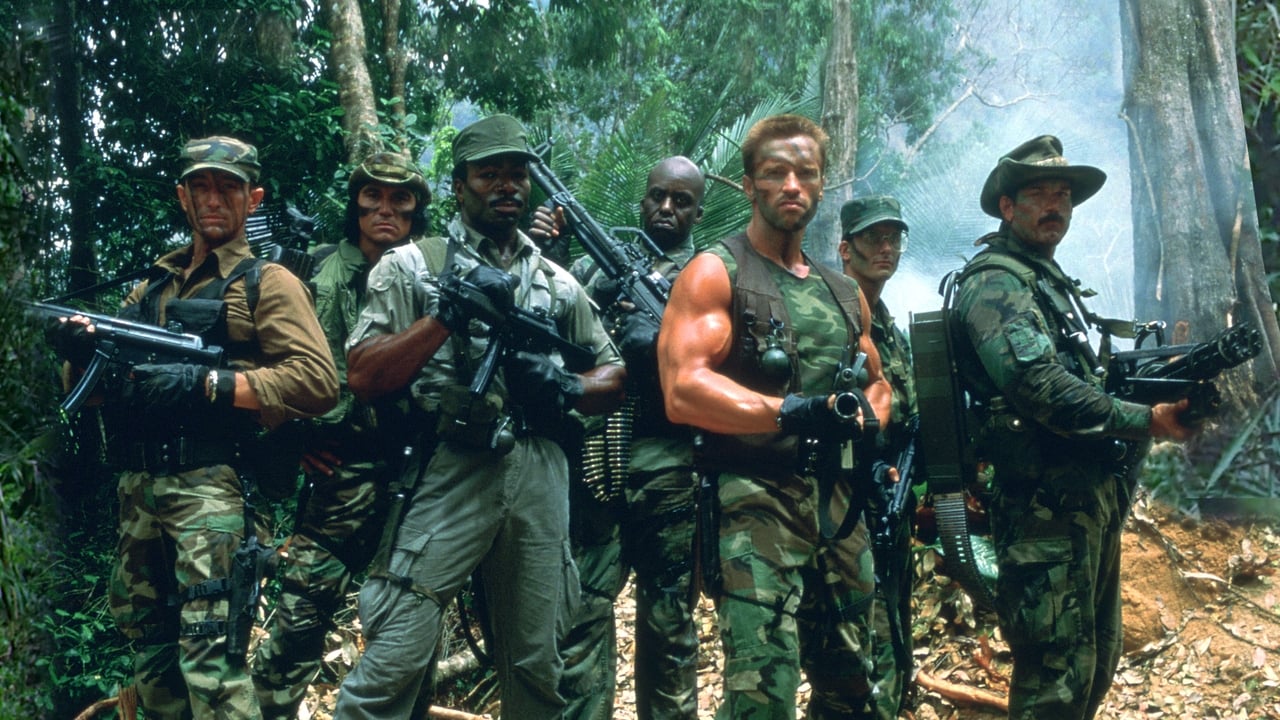
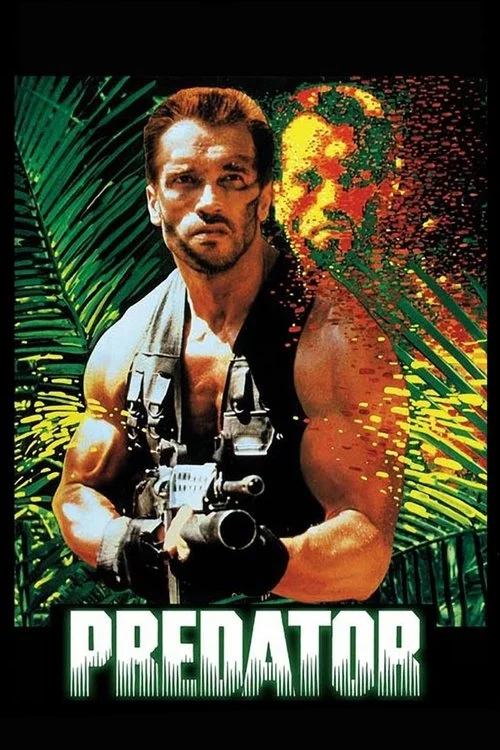
When Predator hit theaters in 1987, critics weren’t exactly blown away. Audiences, however, latched onto it immediately—and over time the film secured its place as one of the definitive action movies of the 1980s. Directed by John McTiernan and led by Arnold Schwarzenegger alongside a cast packed with wrestlers and bodybuilders, the story of an elite commando unit being hunted in a Central American jungle became a genre landmark. And the creature itself—ultimately redesigned by Stan Winston—grew into one of cinema’s most iconic monsters.
The opening was supposed to be far more intense
Today the movie begins with a helicopter ride: jokes, music, swagger. McTiernan originally envisioned a much harsher start. The entire team would parachute from a plane under attack by an enemy fighter. Dutch (Schwarzenegger) was even meant to press a pistol to the pilot’s head to force him over the drop zone before jumping. The idea was abandoned, and the calmer opening—ironically—ended up working perfectly, letting the camaraderie breathe before the nightmare begins.
A personal bodyguard was hired for one actor
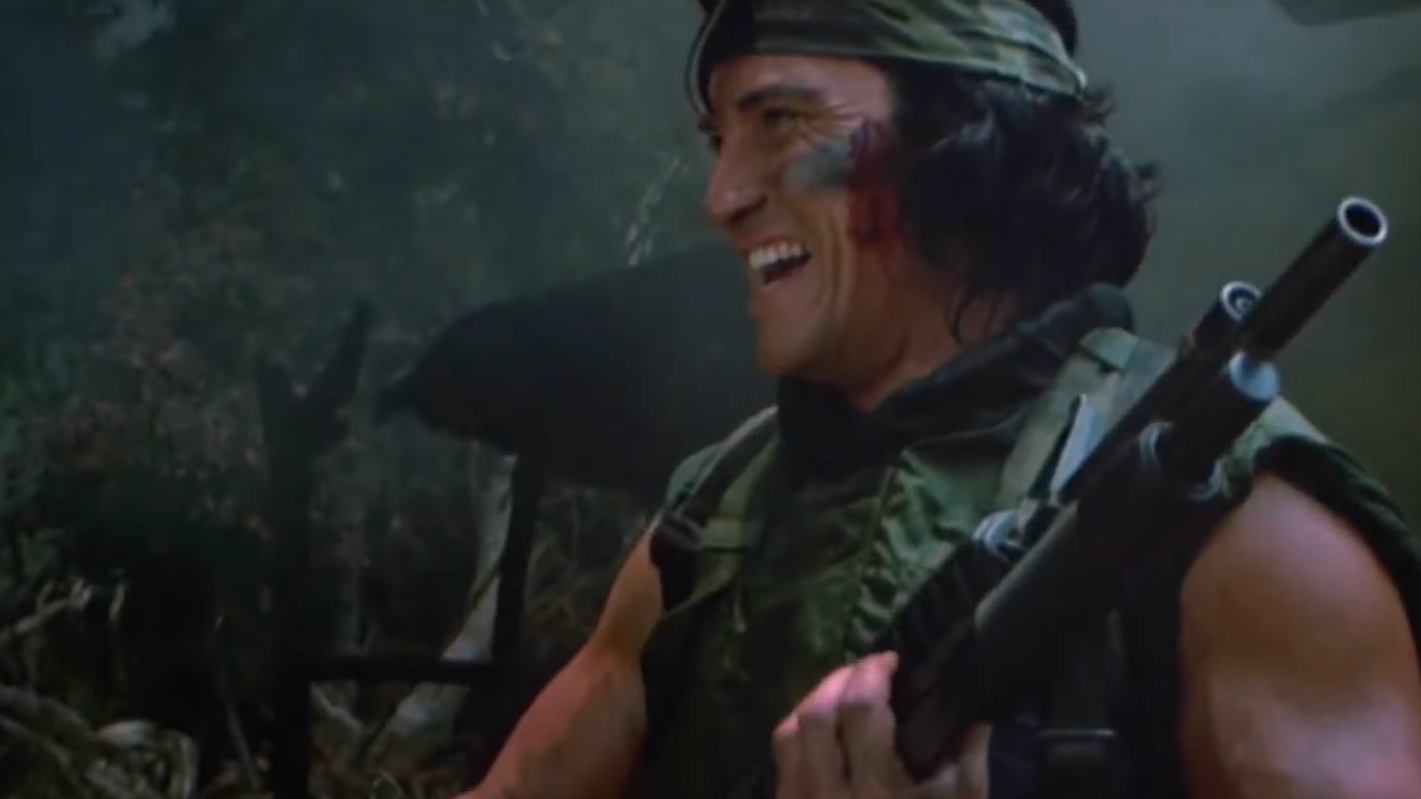
Sonny Landham (Billy) had a reputation for being volatile, enough that the studio hired a dedicated security guard whose sole job was to monitor Landham. A six‑foot enforcer shadowed him throughout production. McTiernan later described it as essential—without it, he feared Landham would eventually throw punches at exactly the wrong moment.
Some cast members had real military backgrounds
Jesse Ventura (“The Body”) wasn’t just playing a tough guy—he’d previously served in a naval commando unit. Schwarzenegger personally recommended him, praising his size, voice, and presence. Richard Chaves (Poncho) had served in Vietnam, bringing firsthand experience to the film’s soldierly rhythm.
The “biggest arms” rivalry turned into a prank
During costume fittings, Ventura was told by the wardrobe team that his arms measured an inch larger than Schwarzenegger’s. He immediately challenged Arnold to prove it. Arnold agreed—then “won” decisively. The punchline: Schwarzenegger had quietly asked the costume department to let Ventura believe the rumor before the measurement.
Bill Duke invented one of the film’s strangest character tics
Bill Duke (Mac) created Mac’s obsessive shaving habit—even though his face is clean-shaven. In the scene where he slices his cheek and bleeds, a modified razor pumped fake blood from inside the prop. The behavior wasn’t in the script; Duke built it himself to give Mac a nervous, compulsive edge.
A brutal boot camp in the Mexican jungle
To make the team look like a credible elite unit, the cast went through real military-style training under adviser Gary Goldman. They tackled twenty‑mile jungle hikes, hill runs, and combat simulations. One actor lay down to rest during a march, stood up covered in hundreds of ants, and spiraled into panic and a chaotic dash through the forest. Ventura—who’d trained with the Navy SEALs—joked that he wouldn’t take some of these guys into real combat, but he was happy to take them into a movie.
Two weeks of prep for one major firefight
The first big village assault required two full weeks just to prep explosives. The jungle location had been damaged by a fire years earlier, so there was less concern about protecting trees; stumps were sprayed black to look more natural on camera. Three times as many Mexican extras arrived as needed—McTiernan paid them and sent roughly two hundred home.
The Predator’s thermal vision had a real-world basis—and real-world problems
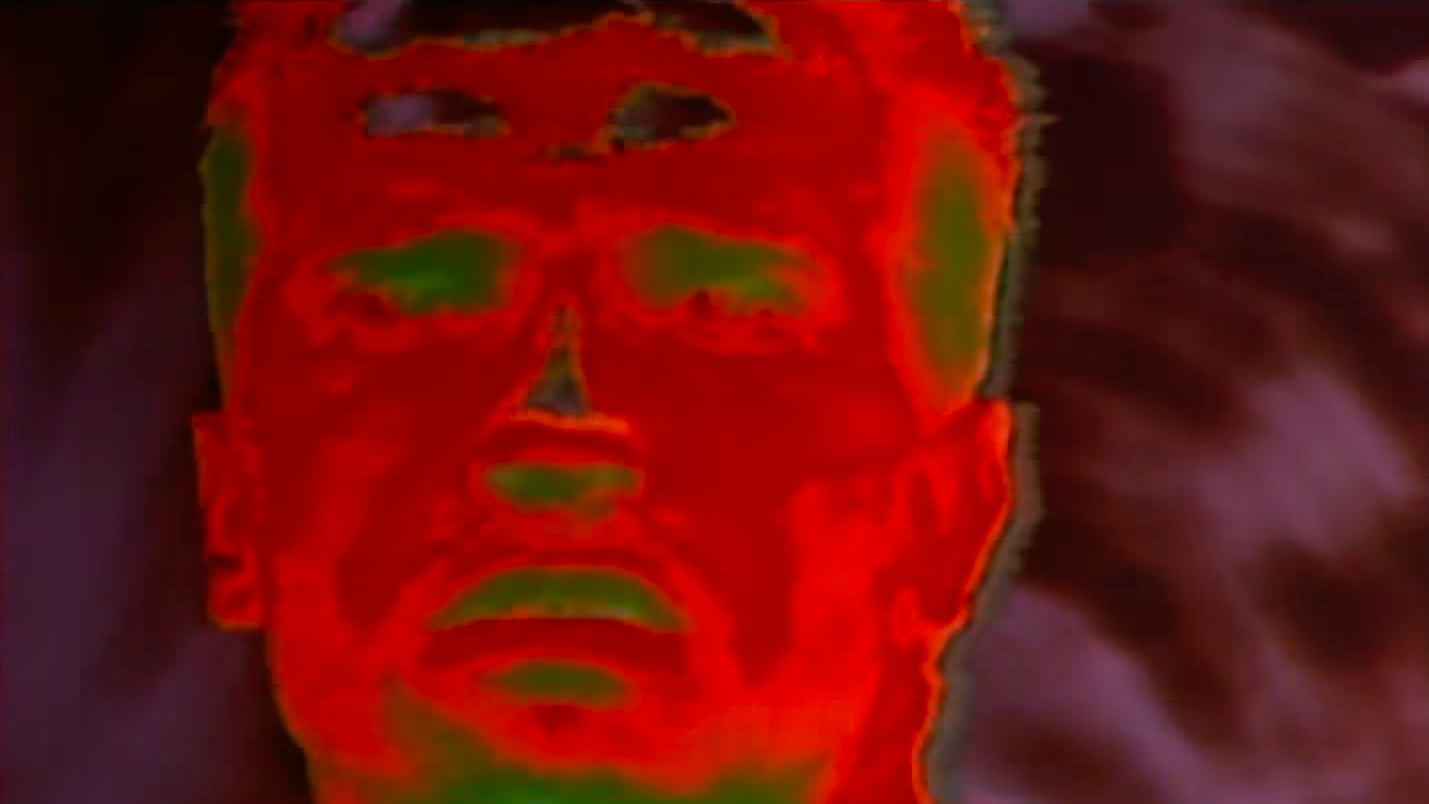
The famous heat-vision POV shots were grounded in science: the concept resembles how snakes sense their environment via infrared. The execution, though, was a headache. Early thermal cameras had cables only about four feet long, and the Mexican heat meant the actors’ body temperatures blended with the environment—on thermal imaging they practically disappeared. The final effect came from combining multiple camera approaches plus costly post work. McTiernan had to persuade producer Joel Silver to fund it.
McTiernan wasn’t the original choice to direct
Before McTiernan came aboard, New Zealand director Geoff Murphy was considered. But he’d previously sabotaged his chances with Schwarzenegger during an earlier meeting by jokingly referring to the barbarian hero as “Conan the Librarian.” Arnold didn’t laugh, and Murphy was out. McTiernan landed the job after his debut feature impressed producer John Davis with its atmosphere despite a tiny budget.
McTiernan saw the film as a modern King Kong
While the influence of Alien, Aliens, and The Thing is obvious, McTiernan cited King Kong (1933) as a key reference: a group ventures deeper into hostile territory, believes they’re in control, then realizes what they’re facing is bigger and stronger—and suddenly the hunt flips, and they’re the ones running.
The shoot was punishing—physically and medically
Much of the crew fell ill during production. Extreme heat plus questionable hotel water led to waves of stomach problems and fevers. McTiernan avoided local food and reportedly lost about eleven kilograms during the shoot; Schwarzenegger also dropped weight. A producer fell from a tree and broke his wrist. Production designer John Vallone hadn’t realized the local trees would shed leaves in autumn, forcing a last-minute order of truckloads of artificial foliage. Carl Weathers later said one of his strongest memories was McTiernan sitting with his head in his hands, exhausted.
Schwarzenegger balanced the film with his own wedding
Mid-production, Schwarzenegger married Maria Shriver. The crew flew out on Friday, the ceremony happened Saturday, Arnold took a brief two-day honeymoon, and he was back on set by Wednesday. He also made sure the script matched his instincts: cinematographer Donald McAlpine recalled Arnold storming out of his trailer one morning, grabbing McTiernan by the collar, and declaring there were too many lines—he’d do three.
Yes, Jean‑Claude Van Damme was briefly the Predator
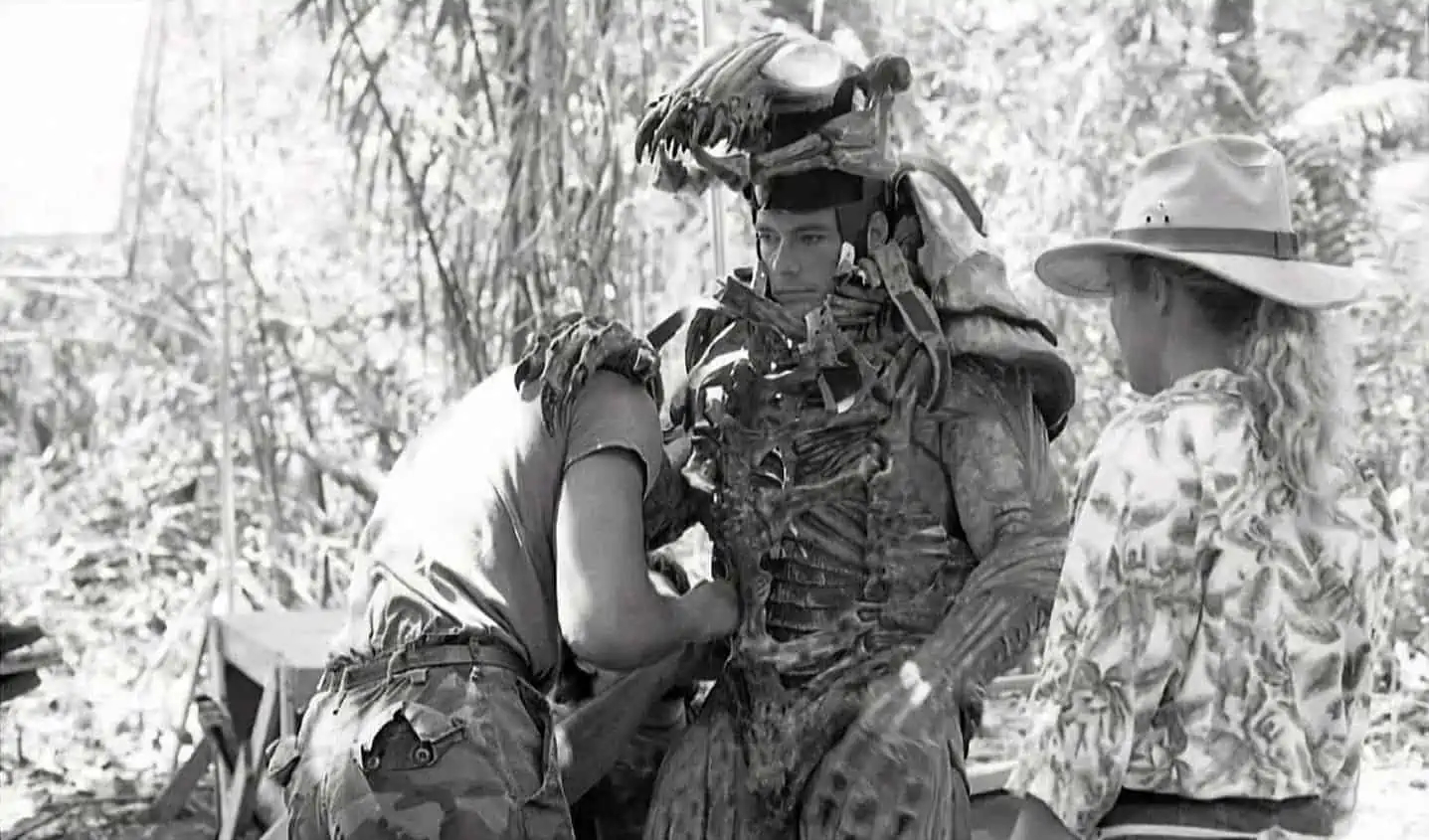
The Predator was ultimately played by the seven‑foot Kevin Peter Hall, but the role originally went to Jean‑Claude Van Damme. Producers imagined a creature that would use martial arts—kicks, splits, flashy movement. Van Damme lasted only two days. Accounts differ: some say he complained about conditions and heat and was fired by Silver; another version claims he damaged a $20,000 mask; another says he refused to stop doing kicks. Producer John Davis summed it up bluntly: the Predator simply couldn’t be 177 centimeters tall.
Kevin Peter Hall endured a monster of a costume
Hall was chosen not only for his height but for his experience—he’d already been credited as “monster,” “alien,” or “mutant” across multiple films. The same year, he also played Bigfoot in Harry and the Hendersons. The Predator suit weighed over 90 kilograms and required a support frame. Filming in the heat was brutal, and visibility inside the mask was so limited that Hall had to memorize movement paths in advance. In the final helicopter sequence, he can even be spotted without the mask as one of the pilots.
“Old Painless” had to be reworked to function on camera
The massive rotary machine gun nicknamed Old Painless was originally designed for helicopter use. To fire it handheld, the production made extensive modifications. The power feed ran via a cable hidden down Jesse Ventura’s pants. The rate of fire was deliberately reduced to about a third; otherwise the barrel rotation wouldn’t register on film. The gun was so heavy that scenes had to be shot in short bursts because no one could hold it for long.
The concept began as a Hollywood joke
The seed of Predator came from a tongue-in-cheek industry gag in 1985: if Rocky Balboa had beaten every conceivable opponent by the fifth film, the only matchup left was Rocky vs. an alien. Screenwriters Jim and John Thomas took the joke seriously and built a script around the idea—turning it into Predator.
The script changed dramatically
The original title was Hunter, but it was renamed because a TV series already used the name. Early drafts also featured a group of alien hunters rather than a single one. The initial protagonist was envisioned as a Native American soldier; through rewrites that element evolved into Billy. The core premise remained: what if humans were hunted the way we hunt animals—except the most dangerous prey is a person, and the most dangerous person is a soldier.
The writers got the script to Fox the hard way
In 1986, the Thomas brothers had no agent and no produced credits. To get attention, they reportedly snuck onto the Fox lot and slid the script under a producer’s office door. It made its way to Joel Silver, fresh off Commando, who decided to turn what sounded like a pulpy concept into a big-budget action film.
Shane Black was both cast member and emergency script insurance
Silver brought Shane Black to set shortly after Black sold the screenplay for Lethal Weapon. Officially he played Hawkins, but Silver also wanted him available as a backup writer if the script needed saving. Black largely separated acting from writing and contributed only a few jokes for his character. John Davis later quipped that because Black wouldn’t rewrite the movie, they killed him first—about seven minutes in.
The score came from a master of momentum
Composer Michael Kamen was initially considered but became unavailable. McTiernan then recommended Alan Silvestri based on Back to the Future. Silver agreed, and Silvestri delivered what many now regard as one of the most distinctive action-sci‑fi scores of the decade.
The first creature design was a disaster
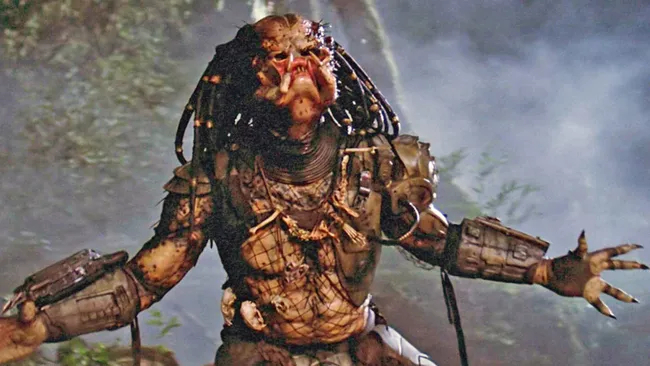
Stan Winston’s name is inseparable from Predator today, but he was called in as a rescue. The original suit was built by Boss Film Studios, riding high off Ghostbusters. It arrived late, and when McTiernan opened the crate, the reaction was silence. Schwarzenegger later described it as having a lizard body and a duck head. Fox halted the film, paused production, and sent the design back.
A chance airplane conversation helped define the Predator’s face
Silver convinced the studio to pay roughly double for a new design and hired Stan Winston, fresh off the Terminator endoskeleton and an Oscar for Aliens. Winston was paid about $1.5 million. He drew inspiration from African tribal aesthetics, Celtic warriors, fish, bats, insects, and snakes. Then luck intervened: on a flight to meet Fox, Winston sat next to James Cameron, who suggested he’d love to see a creature with mandibles. Winston took the note—and the Predator’s jaws became one of its defining traits.
The invisibility effect was a clever technical trick
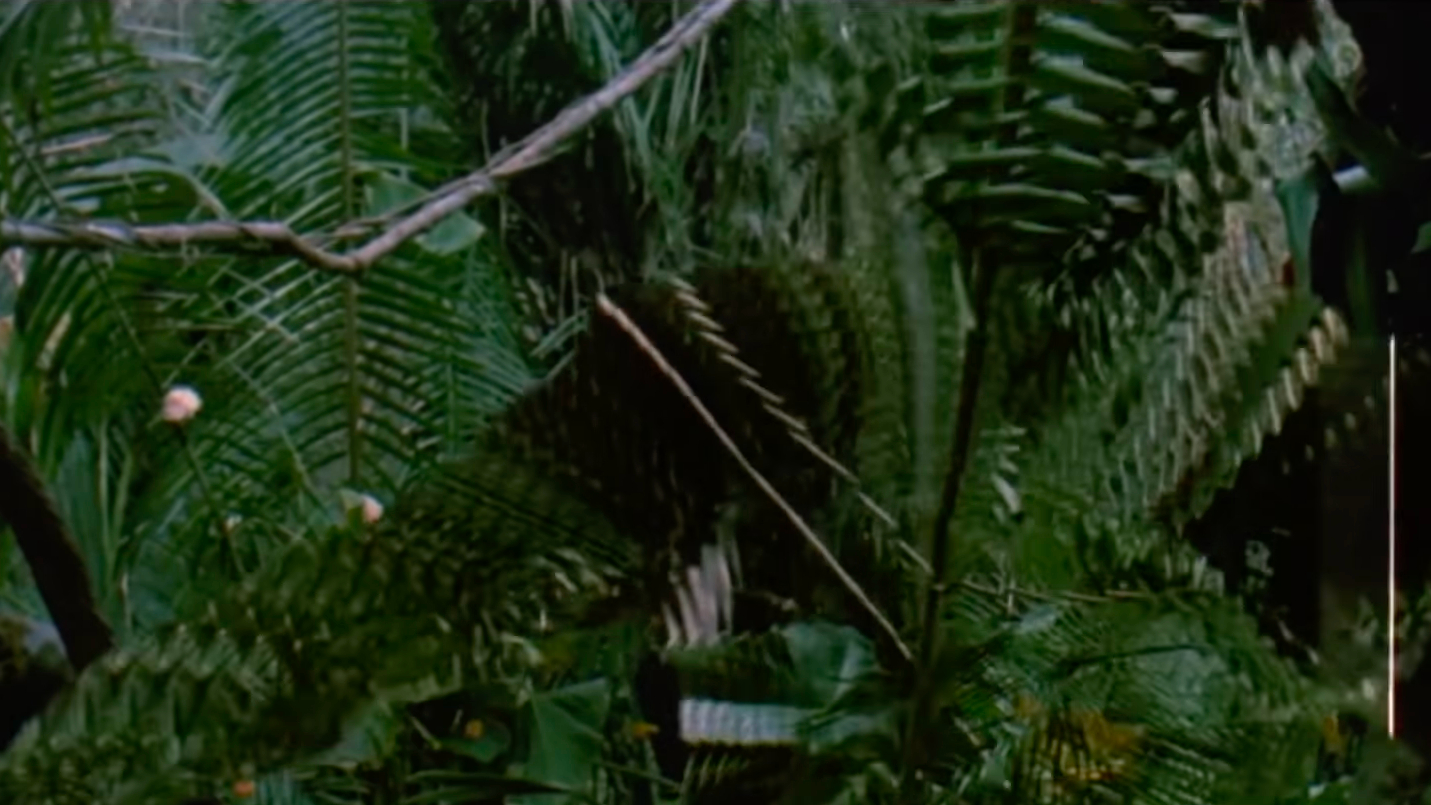
The signature cloaking effect was created by Joel Hynek with Robert and Richard Greenberg. A stunt performer walked through scenes in a bright red suit—red chosen because it contrasts strongly with jungle greens. That footage was composited with a clean plate of the same shot without the Predator, captured with a lens about 30% wider. The result: a smeared, subtly warped silhouette that convincingly suggests active camouflage. Silver reportedly used the sequence to justify additional funding by proving the film’s effects could deliver.
The costume’s mechanics and sounds were packed with detail
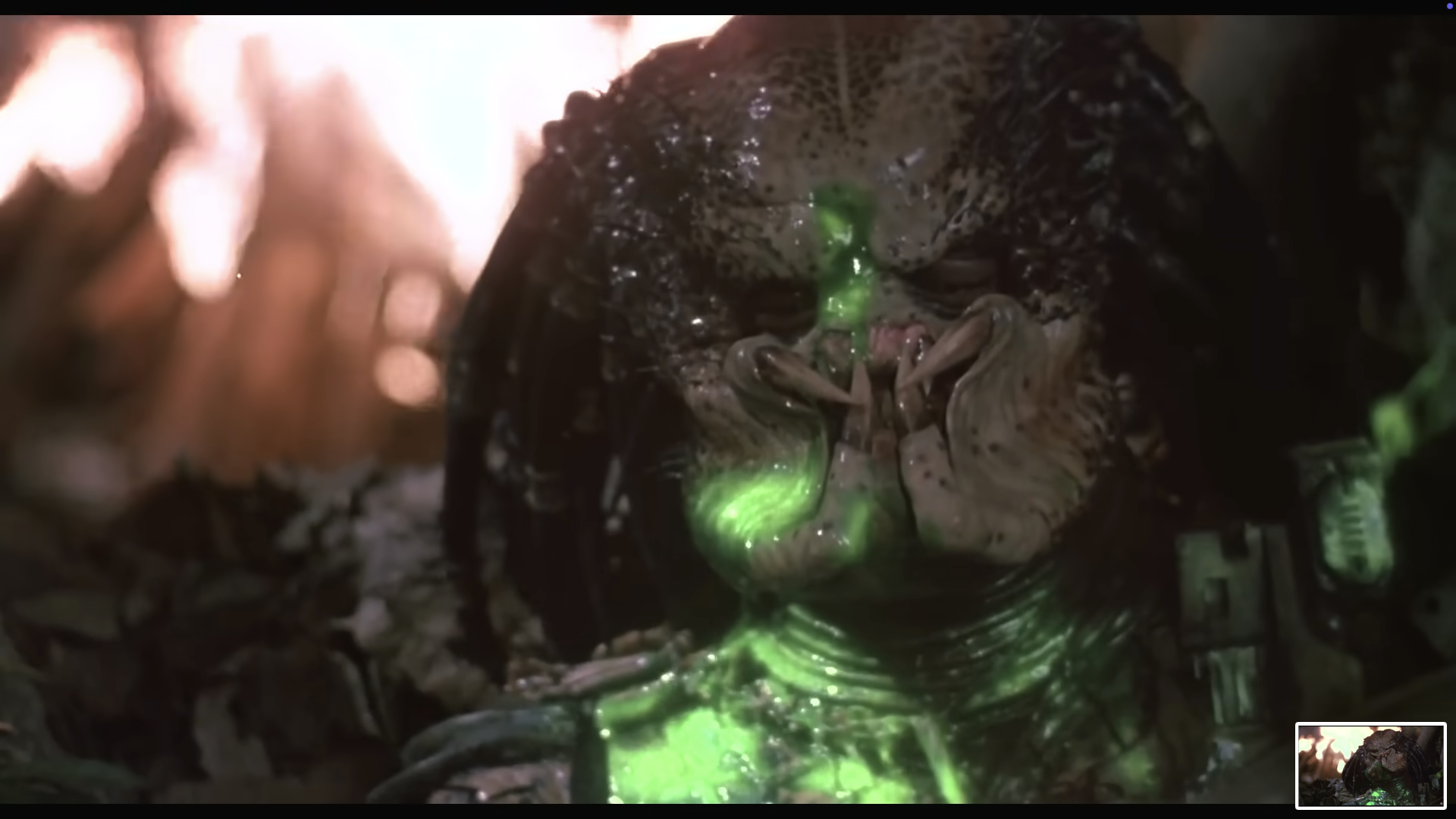
The Predator’s head was separate from the body and contained nine servo motors controlling the mandibles and facial movement; Hall could trigger motion by moving his own jaw. The creature’s glowing green blood was essentially liquid from a glow stick. The Predator’s distinctive clicking and gurgling vocalizations were recorded by actor Peter Cullen, inspired by crab sounds—the creature struck him as oddly crab-like.
Critics and audiences didn’t initially agree
Roger Ebert gave the film three out of four stars, praising its pace, straightforward character types, and technical craft. Janet Maslin of The New York Times called it a cycle of fright and boredom. The Hollywood Reporter highlighted the final mud fight as genuinely terrific. Over time, the film’s reputation rose sharply: it now sits around 81% with critics and 87% with audiences on Rotten Tomatoes, and holds roughly 7.8/10 on IMDb.
A box-office win despite mixed reviews
Whatever the reviews said, moviegoers showed up. Made for about $15 million, Predator earned nearly $60 million in theaters. In 1987 it posted the year’s second-highest opening weekend, behind only Beverly Hills Cop II.
Sources: All the Right Movies, IMDb, CSFD, Filmozrouti



Comments 0
No comments yet. Be the first to share your thoughts!
Leave a Comment