
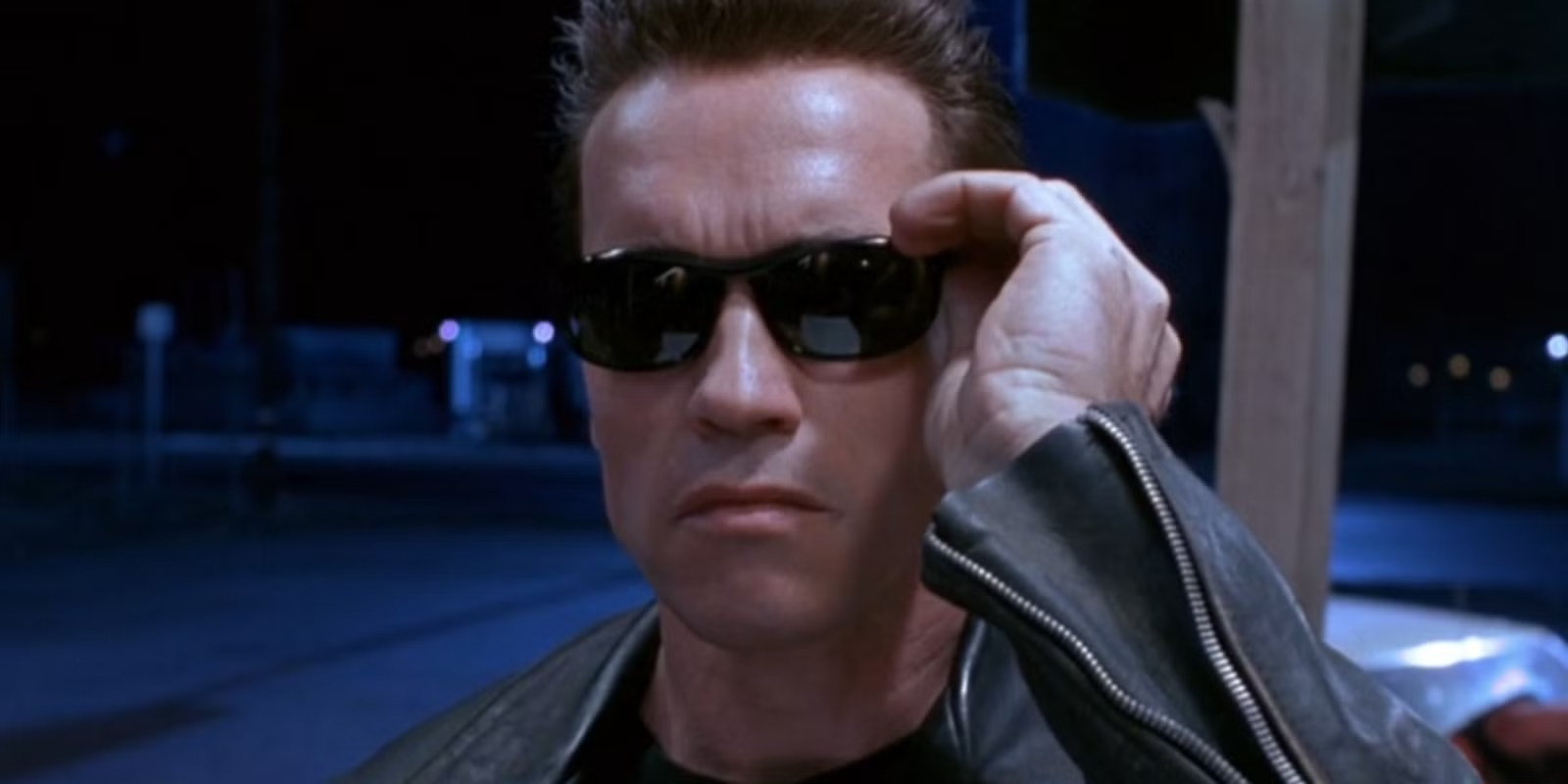
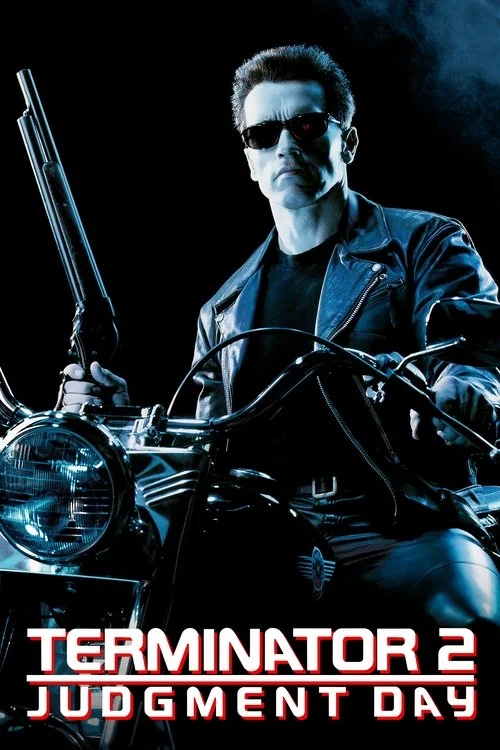
James Cameron’s Terminator 2: Judgment Day (1991) didn’t just meet expectations—it reset them. Upon release, it became one of the defining blockbusters of its era. With a budget hovering around $100 million (a staggering figure at the time), the film pushed scale to new extremes; even the opening minutes set in the dystopian future reportedly cost more than the entire first movie. Cameron paired spectacle with striking symbolism and a chilling, machine-ruled atmosphere that still feels razor-sharp today.
Waiting for the right technology
The sequel took years to truly get moving, largely because Cameron’s vision demanded a new kind of villain—one made of liquid metal brought to life through digital effects. The problem was simple: the tools weren’t ready yet. After experimenting with cutting-edge visuals on The Abyss, Cameron gained confidence that the next leap was possible. Industrial Light & Magic ultimately delivered effects that helped change cinema history—even though the film contains only a few minutes of pure CGI.
Arnold Schwarzenegger and a record paycheck
Arnold Schwarzenegger returned as the T-800, but with a twist: this time he’s the protector of John Connor. For the role he earned $15 million, making him one of the best-paid actors in the world at the time. Schwarzenegger wasn’t initially thrilled that the T-800 would kill no one and lean more into humor—but that very shift broadened the film’s appeal and helped turn its lines into pop-culture staples.

A production fueled by improvisation
The shoot ran under intense time pressure—despite the film’s size, it was slated to hit theaters just a year after the project was announced. During the famous chase through the concrete flood channel, the crew discovered the truck wouldn’t fit beneath a bridge. The fix was as blunt as it was effective: tear off the roof and adjust the scene on the spot. Schwarzenegger also injured his hands while practicing the shotgun reload, but with the schedule tightening, production pushed forward anyway.
Finding John Connor
John Connor was played by Edward Furlong, discovered through an extensive casting search despite having no prior acting experience. But an eight-month shoot brought an unexpected complication: his voice changed mid-production, forcing some lines to be dubbed later. Schwarzenegger famously took the young actor under his wing and supported him beyond the set as well.
The perfect enemy: T-1000
Robert Patrick prepared meticulously to become the liquid-metal Terminator. He trained to run without showing fatigue, practiced firing without blinking, and studied predator-like movement to feel as non-human as possible. Blending practical techniques with digital wizardry, the filmmakers created one of the most iconic villains of the 1990s.
Sarah Connor’s physical transformation
Linda Hamilton underwent intense training with firearms and combat techniques, resulting in a dramatic physical transformation. The payoff was enormous: her Sarah Connor became one of the most formidable action heroines in film history. Hamilton’s performance also reinforced the sequel’s darker edge and gave the story real psychological weight.
An alternate ending—and a massive success
Cameron originally planned a more optimistic finale featuring an older Sarah and an adult John—now a senator. Test audiences, however, felt the ending was too cheerful, so it was replaced with a more open-ended version. The final film went on to gross over $520 million worldwide, becoming one of the biggest hits of its time and remaining one of the highest-rated action movies ever made.
Terminator 2: Judgment Day is still proof that a sequel can do more than continue a story—it can surpass the original. Its blend of technical revolution, genuine emotion, and unforgettable set pieces cemented it as a true screen legend.
Sources: IMDb, Metacritic, Rotten Tomatoes, Wikipedia, Box Office Mojo





Comments 0
No comments yet. Be the first to share your thoughts!
Leave a Comment